If you own a split-level, you already know its reputation: awkward, dated, hard to photograph, not exactly a design blog favorite. I live in one, and for a long time I decorated like I was apologizing for it — trying to make every room look like it belonged in a different house. That approach never worked, because it never does.
Stop fighting the level changes. The half-flights of stairs and split sightlines are the defining feature of this style of home, not a flaw to hide. Instead of trying to visually “merge” the levels, treat each one as its own defined zone with a clear job — and let the transition between them (a landing, a stair wall) be a place for something intentional: a gallery wall, a runner, a single great light fixture.
Respect the low ceilings instead of decorating against them. Split-levels are notorious for low ceilings, especially on the lower level. Fighting this with tall furniture or busy upper walls makes it worse. Keep furniture lower-profile, keep window treatments simple and close to the frame, and use horizontal lines (art hung in a row, a long console) rather than vertical ones to lead the eye across the room instead of up into a ceiling that isn’t there to receive it.
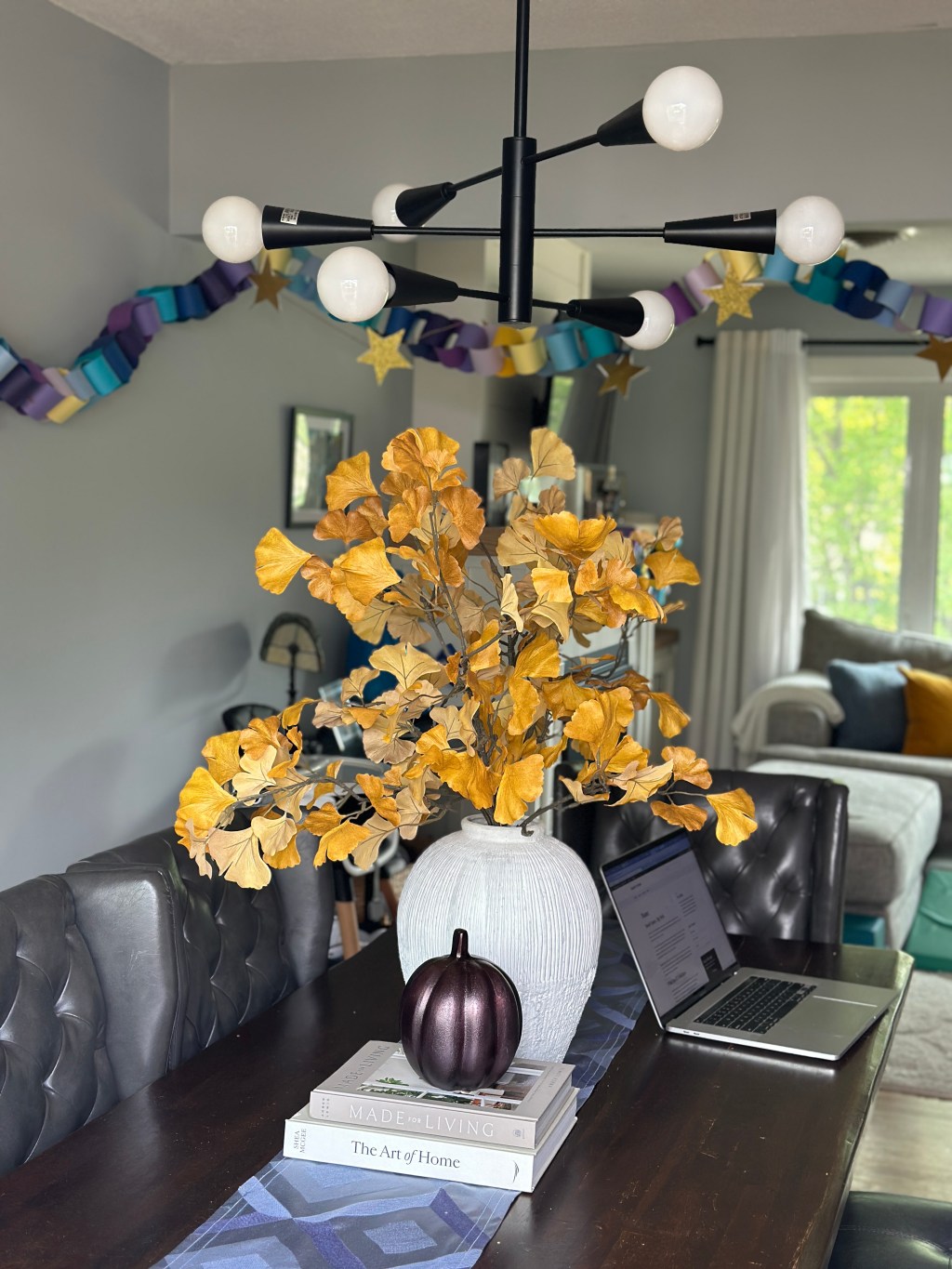
Update what actually reads as “1965” — deliberately, not everywhere. You don’t need to erase every trace of the era; some of it (built-ins, original hardwood, a good brick fireplace) is worth keeping and even highlighting. Focus updates on the handful of things that read as dated at a glance: light fixtures, cabinet hardware, and paint color are the highest-impact, lowest-cost changes in a house like this.
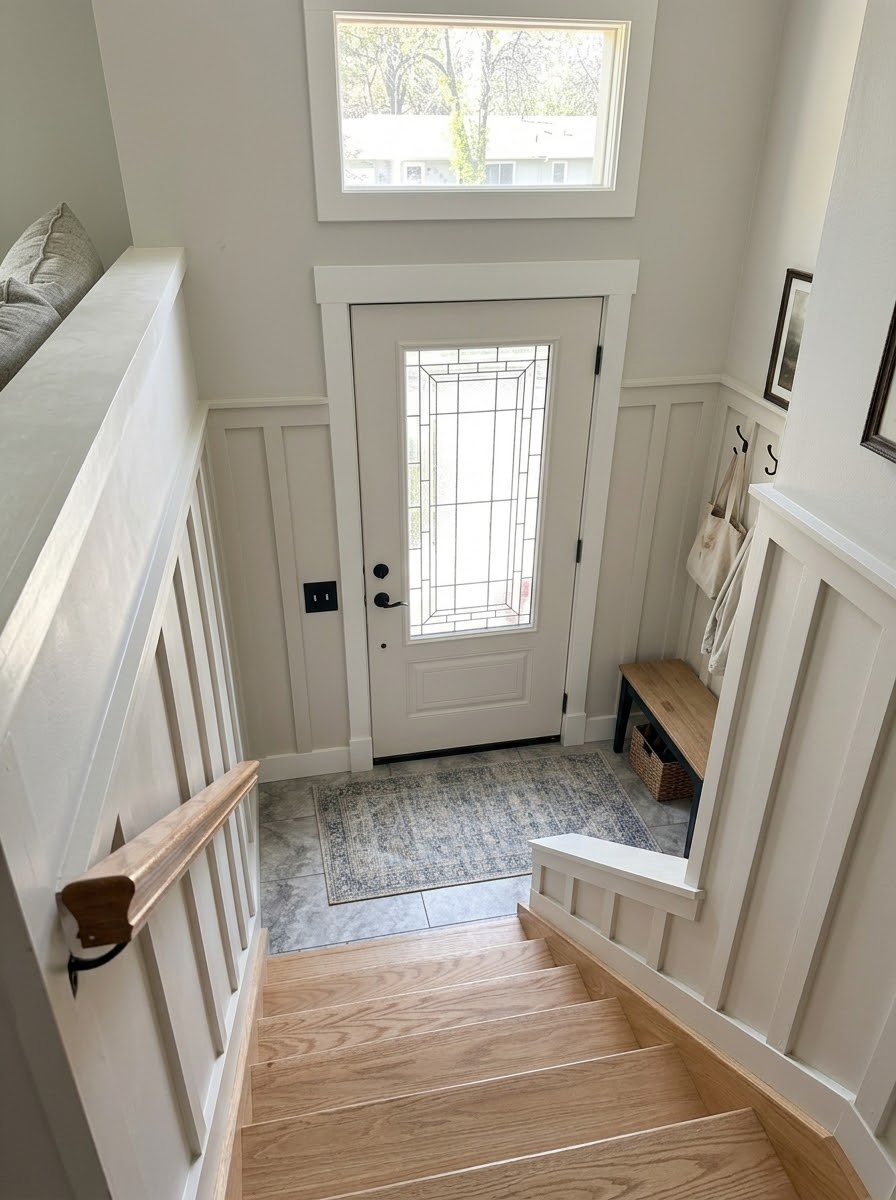
Give the “in-between” spaces a purpose. Split-levels are full of landings, half-walls, and odd transitional nooks that don’t belong to any one room. Rather than leaving them as leftover space, give each one a single job — a reading chair and lamp, a small drop-zone with hooks, a plant and a bench. An in-between space with a purpose stops feeling like wasted square footage and starts feeling like a considered detail.
The house isn’t going to become a Victorian, and it doesn’t need to. It needs to feel like itself, on purpose.



Leave a Reply