You don’t need a big budget to make a room feel expensive — you need to know where the “expensive feeling” actually comes from. It’s rarely the price tag. It’s almost always one of these ten things.
- Symmetry. Matching lamps, matching nightstands, a centered piece of art over a sofa — symmetry reads as intentional and calm, which reads as expensive, even with budget pieces.
- Fresh, high-quality paint. Not more color — better application. A crisp, well-cut-in paint job on a budget color outperforms an expensive color applied sloppily, every time.
- Hardware swaps. New cabinet pulls, door handles, or light switch plates cost very little and touch almost every room in the house.
- Layered lighting. It’s one of the fastest ways to make any room feel expensive — skip the single overhead fixture and layer in a floor lamp, a table lamp, and if you can, a wall sconce.
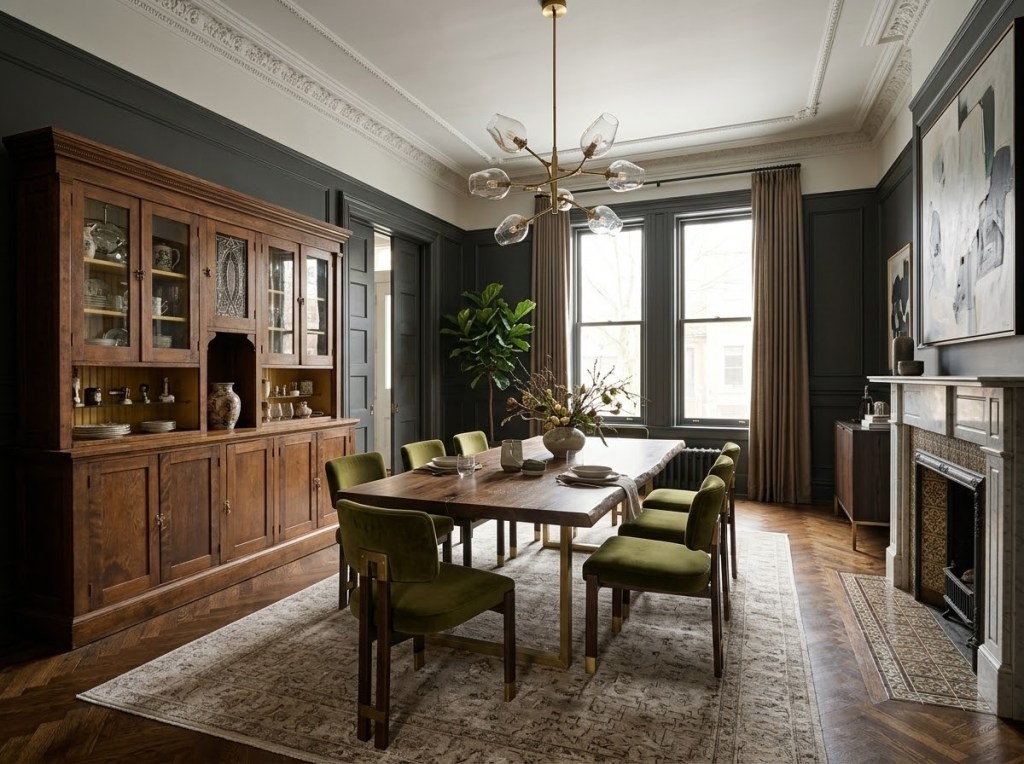
- A properly sized rug. If you fix one thing this month, fix this — get the front legs of your furniture on the rug, all four if you can.
- Fewer, better throw pillows. Two or three well-made pillows beat six mismatched ones.
- Grounding every surface. An empty coffee table or bare shelf reads as unfinished; a tray with two or three intentional objects reads as styled.
- Matching metal finishes in a single space. Mixed brass, chrome, and black hardware in one small area reads as accidental. Picking one finish per room reads as decided.
- Window treatments hung high and wide. Mount curtain rods a few inches from the ceiling and a few inches past the window frame — it’s free (or nearly free) and instantly makes ceilings feel taller and windows feel bigger.
- Removing, not adding. The fastest, cheapest upgrade in almost any room is taking three things out of it.
Expensive-looking rooms aren’t expensive because of what’s in them. They’re expensive-looking because of what was left out.



Leave a Reply